

Home Automation in Qatar
SMART GATE OPENER
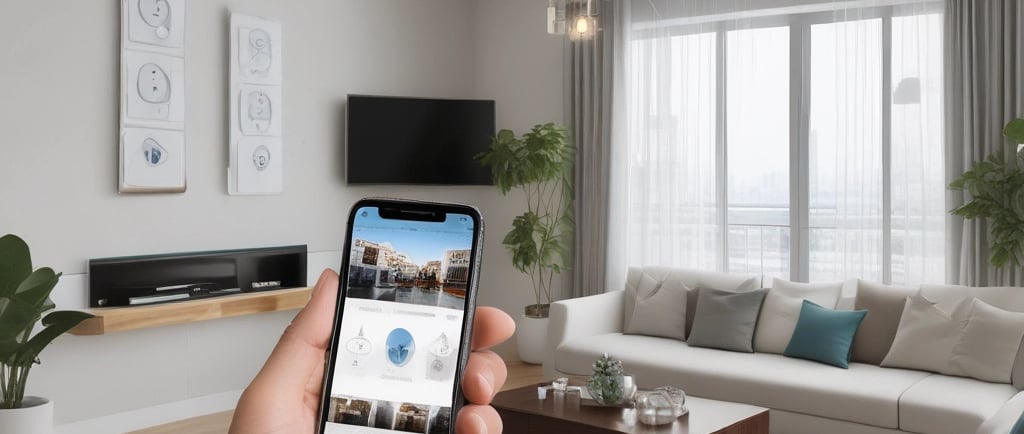
Home Automation
Home automation refers to the technology that enables the control of various household systems remotely through smart devices. This evolving concept encompasses a range of functionalities, bridging the gap between traditional home systems and advanced smart home technologies. It allows users to automate and manage different aspects of their living environment, enhancing both convenience and efficiency.
The key components of home automation typically include devices and systems designed for lighting control, security, climate management, and household appliances. These components work together through interconnected networks, often controlled via smartphone applications or centralized control panels. For example, smart lighting systems can be programmed to adjust brightness levels based on the time of day, while smart security cameras can send alerts and live feeds directly to a user’s mobile device when movement is detected.
Home automation has undergone significant evolution from its inception. Initially, automated systems were limited to simple timers or manual switches. Today, the integration of the Internet of Things (IoT) has allowed for the creation of sophisticated systems that leverage artificial intelligence and machine learning. These advancements enable smart home devices to learn user preferences and adapt their functionalities accordingly. As a result, home automation is no longer a luxury; it is rapidly becoming a standard feature in contemporary living.
The types of home automation technologies available today are diverse and continually expanding. Lighting control systems enhance energy efficiency, while smart security systems provide enhanced safety features, such as remote monitoring. Climate control automations optimize energy usage by regulating heating and cooling based on occupancy patterns, and smart appliances offer capabilities for remote operation and energy tracking. Collectively, these technologies contribute to a more streamlined and sustainable living experience.
Core Components of Modern Home Automation
A high-performance home in Qatar typically integrates:
Smart Gate Automation
Sliding, swing, or telescopic gates paired with smart openers, mobile control, geo-fencing, and access logs.
Smart Lighting
Motion-based, app-controlled, voice-enabled systems that optimize energy usage.
Climate Control Automation
Automated AC zoning, smart thermostats, occupancy sensors, and real-time consumption analysis.
Security & Surveillance
AI-enabled cameras, video doorbells, smart locks, perimeter sensors, and 24/7 remote monitoring.
Entertainment & Voice Control
Seamless integration with Apple Home, Alexa, and other smart home ecosystems.
Energy Management
Smart sockets, load shedding, solar controllers, and consumption dashboards.
Why Smart Gate Automation Leads the Trend
Qatar’s climate, dust, and lifestyle make gate automation the first entry point for home automation:
Automatically open gates as you approach.
Operate sliding, swing, folding, and telescopic gates through your phone.
Track access history for tenants, guests, and employees.
Replace outdated remotes with encrypted mobile keys.
Reduce mechanical wear by controlling motor torque and soft-start behaviour.
Residents want convenience, but they also want control. Smart gate automation delivers both.
Benefits for Property Owners and Developer
This isn’t just about convenience. It’s strategic value creation.
Higher property value
A villa with integrated automation sells faster and commands a premium.
Lower maintenance costs
Systems diagnose issues before failures happen.
Better security posture
Real-time alerts, remote controls, and tamper detection reduce risk exposure.
Operational efficiency
One dashboard for all home systems instead of scattered devices.
Challenges in the Qatar Market
No point pretending everything is perfect
Cheap systems fail quickly in humidity and heat.
Unqualified installers cause 80% of system problems.
Poor WiFi planning destroys the customer experience.
No after-sales service leaves homeowners stuck with dead devices.
This market is growing, but it’s also full of low-quality operators selling bargain-bin hardware.
How to Choose the Right Home Automation Partner
Look beyond pricing. Evaluate on
Proven track record in Qatar’s climate.
Availability of branded motors and certified smart devices.
Local support teams and spare parts availability.
Warranty terms that actually mean something.
Ability to integrate gates, lighting, AC, and security into one ecosystem.
A proper partner delivers reliability, not just an installation.
The Future of Home Automation in Qatar
Qatar’s automation market is moving toward:
Full integration of gates, locks, AC, and surveillance.
AI-driven monitoring and predictive maintenance.
Zero-touch access control using geofencing and license plate recognition.
Smarter energy usage tied to real-time electricity tariffs.
Expansion of automation into compounds and commercial buildings.
The trajectory is clear: Automation will be the default, not an upgrade.
Benefits of Home Automation
Home automation offers a myriad of advantages that enhance the quality of life for residents. One of the most significant benefits is increased security. Smart home systems can integrate surveillance cameras, motion detectors, and automated lighting. For instance, a homeowner can be alerted on their smartphone when someone approaches their property, providing real-time surveillance and peace of mind. This level of security is especially beneficial for those who travel frequently or live in areas prone to crime.
Energy efficiency is another crucial advantage of home automation. Smart thermostats can learn a family's schedule, adjusting heating and cooling settings automatically to reduce energy consumption when the house is empty. According to various studies, homes equipped with smart devices can save up to 30% on energy bills annually. Utilizing these technologies not only promotes environmental sustainability but also translates into substantial financial savings over time.
Convenience is a fundamental aspect of home automation. With smart home technology, tasks can be executed effortlessly via voice commands or remote apps. Imagine adjusting your home’s lighting, temperature, or even security settings with a simple command while relaxing on your couch or while you're away at work. This seamless control dramatically simplifies daily routines, allowing residents to spend more time on activities they enjoy.
Moreover, home automation systems contribute to improved home management. With integrated applications, homeowners can monitor and control household appliances, enhancing overall organization. For example, smart refrigerators can track food inventory, notifying users when supplies are low, which encourages mindful consumption and reduces food waste.
Ultimately, the impact of home automation extends beyond mere convenience. It fosters an environment of wellbeing, allowing residents to create personalized living spaces that align with their lifestyle. As these technologies evolve, they will continue to promote sustainable living practices, making homes not just smarter, but also more harmonious.
Challenges and Considerations
As the appeal of home automation technology continues to grow, prospective users must consider various challenges before making significant investments. One major hurdle is the initial cost of purchasing and installing smart devices. Homeowners may find themselves overwhelmed by the range of options available, each varying in price and functionality. While some devices can be affordable, others might require substantial financial commitments to build a fully integrated smart home system.
Furthermore, compatibility issues among different devices can pose significant challenges. Not all smart home devices communicate seamlessly with each other, which can lead to a fragmented home automation experience. Homeowners should conduct thorough research to ensure that the devices they choose are compatible with their existing systems. This will help to avoid the frustration of investing in items that may not work cohesively or require the expense of additional hubs or controllers.
Data privacy and security risks are also pertinent concerns when adopting home automation technologies. Connected devices can gather vast amounts of personal information, which may make them attractive targets for cybercriminals. To mitigate these risks, homeowners must prioritize the use of strong, unique passwords, enable two-factor authentication, and regularly update their devices to patch any security vulnerabilities. It is imperative that users stay informed about the security practices of the manufacturers they choose, as this can greatly affect their data privacy.
In overcoming these challenges, educating oneself about the technology is vital. Engaging with user reviews, consultant professionals, and online Community forums can provide insight into best practices for implementation. By balancing the benefits and drawbacks of home automation, homeowners can make informed decisions that enhance their living experience with greater convenience and efficiency.
The Future of Home Automation
As we look forward to the future of home automation, it is evident that emerging technologies will play a pivotal role in shaping how we interact with our living spaces. One prominent trend is the integration of artificial intelligence (AI) and machine learning, which are poised to enhance the functionality of smart homes by enabling devices to learn from user behavior, predict needs, and automate tasks accordingly. For instance, smart thermostats can now adjust temperatures based on occupancy patterns, optimizing energy usage without compromising on comfort.
The Internet of Things (IoT) continues to serve as the foundation for a connected home, facilitating seamless communication between devices. As more household items become 'smart,' the convenience of managing them remotely through smartphones or voice commands will increase. Consumers can expect more sophisticated automation systems that integrate everything from lighting and security to kitchen appliances, creating a cohesive ecosystem that enhances daily living.
Market growth for home automation technology is also expected to accelerate. Factors such as rising disposable incomes, increasing awareness about energy efficiency, and greater demand for convenience will drive this sector forward. Furthermore, as smart technology becomes more affordable, a wider demographic will be able to invest in home automation solutions, leading to wider adoption and more innovation.
Staying updated with the latest developments in home automation is crucial for consumers looking to maximize the benefits of smart living. Regularly exploring new technologies allows homeowners not only to enhance the functionality of their spaces but also to ensure they reap financial benefits, such as reduced energy costs. By being informed, individuals can make educated choices about home automation investments, ensuring they are well-equipped for the rapid evolution of this exciting field as it unfolds.